
The design career of Adrian Frutiger is a very interesting one. Born in Unterseen, Canton of Bern in Switzerland in 1928, the weaver’s son experimented with script from a very early age. With a passion for all things creative including sculpture, Frutiger planned to become a sculptor but was ushered away from the craft by his father and secondary schoolteachers. Instead, he was encouraged into the world of printing.
Had Frutiger not been steered into typography at such a young age, the Avenir®, Frutiger®, Egyptienne® and Ondine® names – and the rest of his repertoire – might have been figurine titles instead.
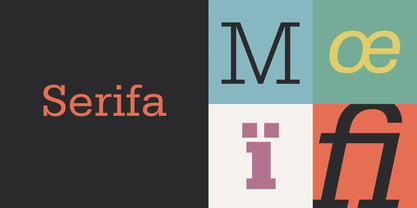
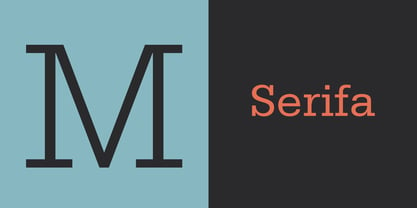
Serifa and its condensed counterpart, the Glypha® font are based on an earlier Frutiger design, the Univers® family. The Univers font (1957) was one of the very first faces created specifically for the Deberny Et Peignot foundry phototypesetting equipment as well as the more traditional metal type. Starting with Univers, Frutiger created a special system to maintain consistency within the font faces he created. The system was based on a pair of numbers, the first of which referred to the font weight (3-8) and the second to the normal/italic characteristic.
Univers was very well received, making the Serifa font a natural progression and a typeface Frutiger started designing in 1964. Serifa was released by the Bauer Type Foundry 1967 and subsequently adopted by Linotype.
References:
Identifont: Serifa
Linotype: Fonts of Adrian Frutiger
Linotype: Serifa Font Family
Behance.net: Serifa Poster Set